Stories That Teach the Heart

Today we dive into interactive story simulations to build emotional intelligence in high school classrooms, inviting students to step into challenging situations, test choices, and witness consequences in a safe, creative space. By blending narrative, role-play, and guided reflection, learners grow empathy, self-awareness, and resilient communication habits that transfer beyond the screen and into friendships, teams, and future workplaces. Join us as we explore practical frameworks, tools, and classroom stories that make emotions visible, discussable, and wonderfully manageable.

Why Narrative Play Builds Empathy

When students navigate branching stories, they practice seeing the world through someone else’s eyes. Neuroscience suggests perspective-taking engages networks related to social understanding, while narrative transportation increases care for characters’ outcomes. In classrooms, this becomes a rehearsal space for kindness under pressure. The result is measurable growth in empathy, more respectful dialogue, and fewer conflicts that spiral into avoidable confrontations during group projects or everyday hallway interactions.

From Characters to Classmates: Perspective-Taking in Action

A well-crafted scenario lets a student play a character facing a misunderstood rumor, cultural microaggressions, or an intense deadline. Making decisions as that character reveals blind spots and biases in a low-stakes environment. Afterward, students connect insights back to their real classmates, linking narrative choices to daily habits like listening fully, asking clarifying questions, and pausing before reacting defensively when emotions feel hot.

Transport, Emotion, and Memory

When learners feel absorbed in a story, they remember its emotional peaks and valleys. That memory power supports skill retention, because lessons tied to feelings are easier to recall under stress. Teachers can use strategic cliffhangers, character arcs, and sensory details to anchor new habits, ensuring strategies for calming down, repairing harm, and setting boundaries resurface when deadlines loom or social tensions unexpectedly flare.

From Sympathy to Compassionate Action

Sympathy notices pain; compassion asks, “What helps next?” Interactive scenarios bridge the gap by letting students practice responses, evaluate consequences, and revisit moments with new strategies. The shift from feeling bad to doing better is reinforced through structured debriefs, checklists for supportive language, and peer feedback protocols that reward curiosity over judgment. Over time, compassion becomes a practiced, repeatable choice rather than a hopeful impulse.

Designing Scenarios That Feel Real
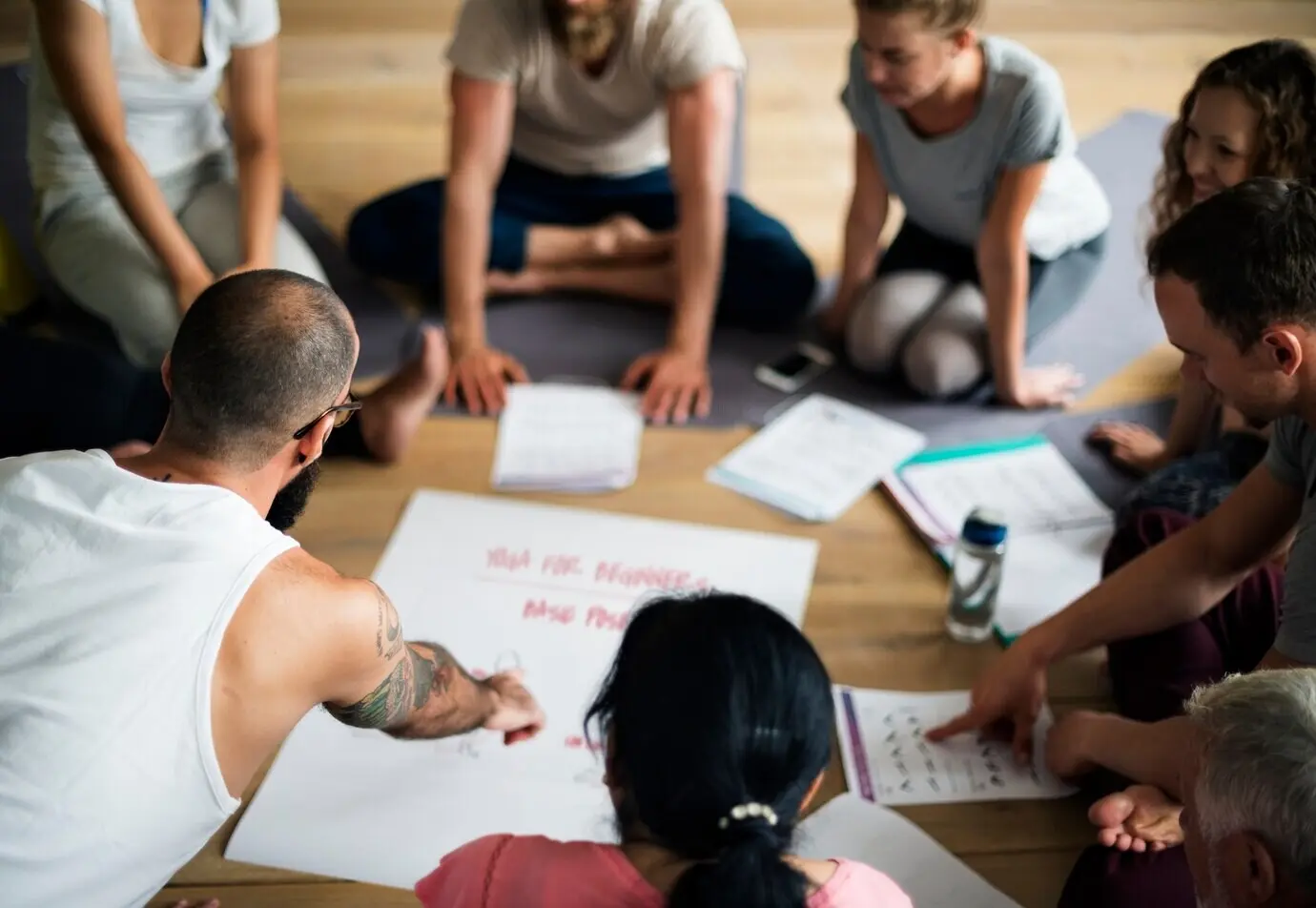
Authenticity matters. Students quickly disengage if the dialogue sounds artificial or the stakes feel trivial. Ground scenarios in situations teenagers actually face: group deadlines, friendship misunderstandings, digital drama, identity exploration, performance pressure, and competing responsibilities at home. Use multiple perspectives, ambiguous motives, and nuanced outcomes to avoid simplistic moralizing. Realism builds trust, which opens the door for honest reflection and lasting emotional growth across different social contexts.

Facilitation That Makes Reflection Safe

Before, During, After: A Simple Protocol

Begin with grounding: breathing, intention-setting, and purpose. During the simulation, pause at tension points for quick writes or pair shares to name feelings and possible strategies. Afterward, debrief using sentence stems that normalize vulnerability and celebrate repair attempts. The cadence builds muscle memory for noticing emotions, choosing responses, and circling back to make amends when harm occurs, both in narratives and real classroom interactions.

Language That Lowers Defenses

Facilitators model language that invites reflection: “What felt hard?” “What did you hope would happen?” “What could help next time?” Avoid moral labels and sweeping judgments. Validate emotions while redirecting harmful behaviors. When students hear nonjudgmental phrasing, they can explore motives honestly, which accelerates growth. The classroom shifts from a performance space to a learning studio, where vulnerability becomes a pathway to meaningful, sustainable change.

Supporting Students Who Need Extra Care

Some scenarios may activate past experiences. Offer opt-outs, alternative roles, and private check-ins. Collaborate with counselors to co-design supports. Provide content notices, reflective journals, and clear pathways to pause without penalty. When care is embedded from the start, students learn that emotional safety and academic challenge are compatible, and that seeking help is not weakness but wise self-advocacy, essential for thriving in demanding, collaborative environments.

Reflection Prompts That Reveal Learning
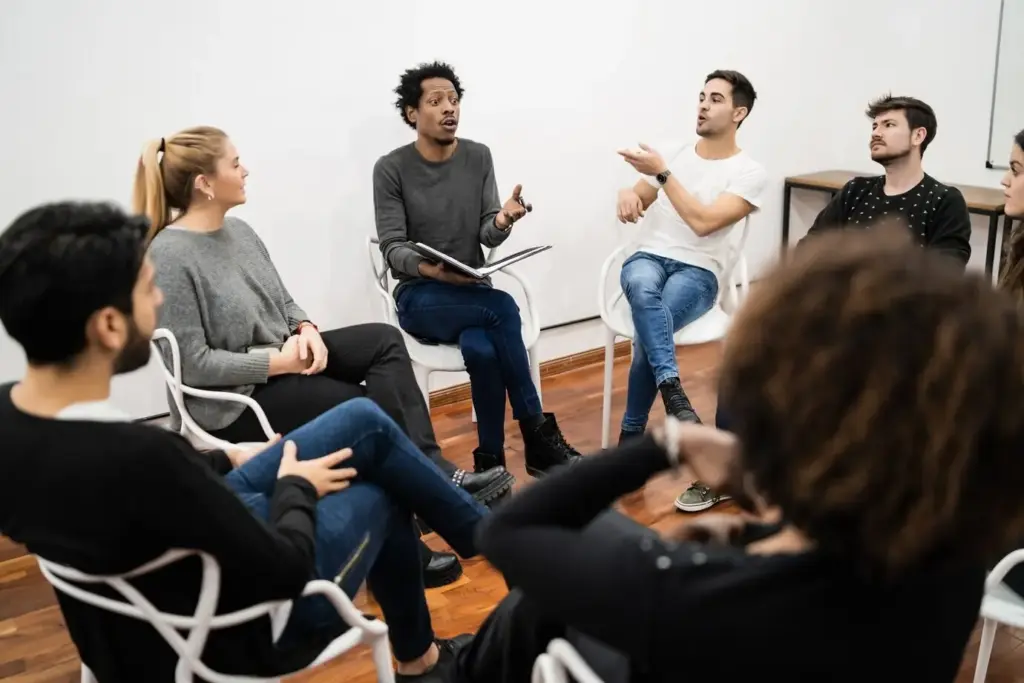
Ask students to revisit a pivotal decision point, explain their choice, and evaluate outcomes using concrete evidence from the story. Then, design a do-over with a revised plan. Comparing versions reveals growth in perspective-taking, boundary setting, and repair language. Over time, these reflections become a narrative of personal development that students can share with families, counselors, or future mentors who support ongoing emotional skill-building.

Rubrics That Value Process and Repair

Assess noticing, naming, and navigating emotions rather than judging feelings themselves. Include criteria for inviting input, acknowledging impact, and making amends. Weight reflection and attempt quality, not only immediate success. This approach communicates that courage, listening, and follow-through matter. Students learn to value repair as a powerful life strategy, embracing accountability without shame, and building trust through consistent, respectful actions that honor shared community agreements.

Portfolios and Student-Led Conferences

Have learners curate artifacts from simulations, including decision maps, journal entries, and peer feedback summaries. In conferences, students narrate turning points, identify recurring triggers, and set next steps. This public yet safe storytelling strengthens ownership. Families hear specifics, not vague platitudes, while students practice language for emotions and boundaries. The portfolio becomes a living record of growth, resilience, and practical strategies they can reuse beyond school.

Choosing Platforms That Serve Pedagogy

Start with learning goals, not shiny features. Favor tools that enable branching logic, easy media embedding, and quick revisions based on student feedback. Ensure data policies protect privacy and align with school standards. Pilot with small groups, gather insights, and iterate. The right platform disappears into the background, letting stories, questions, and relationships carry the weight of the learning experience with clarity and heart.

Low-Tech Equivalents That Still Shine

No devices? Use printed decision cards, classroom stations, and role-play circles. A whiteboard can track branches while students vote on choices and justify reasoning. Journals support reflection; sticky notes invite quick, anonymous check-ins. The power lies not in pixels but in structure, community norms, and thoughtful debriefs that transform scripted moments into genuine insight and practical strategies students can immediately apply outside the activity.

Accessibility by Design, Not as an Afterthought

Plan for varied reading levels, processing speeds, and sensory needs from the start. Provide audio narration, translation options, and visual supports. Offer alternative input methods and flexible timing for pauses and reflections. Encourage peer pairing and teacher check-ins. When inclusion is baked in, participation rises, stigma falls, and the classroom becomes a place where every learner can practice emotional skills with dignity, comfort, and real agency.

A Lunchtime Conflict Finds Resolution

Two students role-played friends disagreeing over a club budget. Initial choices escalated tension, but a repair branch modeled curiosity and joint problem-solving. In debrief, both shared they finally felt heard. Weeks later, their advisor noted smoother meetings and shared leadership. The simulation provided language and timing for apologies that previously felt awkward, replacing defensiveness with collaborative planning and a renewed sense of belonging.

When a Text Thread Goes Sideways

A scenario mirrored a real group chat where sarcasm triggered misunderstanding. Students practiced pausing, clarifying tone, and moving sensitive topics offline. One participant later used the same steps during a heated team exchange, reporting faster resolution and fewer lingering resentments. By rehearsing digital empathy, learners built transferable habits that strengthened group trust, guarded against rumor spirals, and protected friendships during stressful academic crunch periods.

Invitation to Co-Create the Next Chapter

We are collecting student-authored dilemmas about deadlines, identity, and teamwork. Share a brief outline, turning point, and desired skill focus, and we will help translate it into a classroom-ready simulation with reflective prompts. Your lived experiences make the stories powerful. Comment below, subscribe for updates, and join our educator circle to test prototypes, offer feedback, and celebrate the everyday courage students practice together.
Xelantrivopulmo
Privacy Overview

This website uses cookies so that we can provide you with the best user experience possible. Cookie information is stored in your browser and performs functions such as recognising you when you return to our website and helping our team to understand which sections of the website you find most interesting and useful.